
Magnetic Therapy for Pain
Magnetic Pain Relief: A Complete Guide to Magnetic Therapy for Physical Comfort and Daily Wellbeing
Magnetic therapy has been used for centuries as a complementary approach to support physical comfort and relaxation. From ancient lodestones to modern magnetic arrays and wearable devices, the idea that magnetic fields can influence how the body feels remains a popular topic in wellness communities worldwide.
If you’ve been searching for information about magnetic pain relief, magnetic arrays, or devices like magnetic bracelets and bowls, you’re not alone. Millions of people explore non-invasive options to support joint comfort, muscle tension, and overall relaxation. This guide explains what magnetic therapy is, how modern magnetic array devices are designed, what the current research says, and how to use them safely as part of a holistic wellbeing routine.
What Is Magnetic Therapy?
Magnetic therapy refers to the practice of placing static magnets near the body to create a localized magnetic field. Unlike pulsed electromagnetic field therapy, which uses electricity to generate a changing field, static magnetic devices rely on permanent magnets that produce a consistent field.
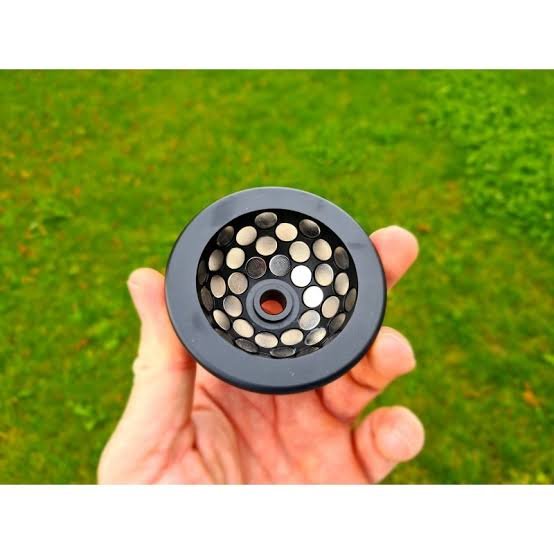
Modern wellness products use what are called magnetic arrays — carefully arranged groups of magnets positioned to create a consistent field pattern over a target area. Examples include magnetic bracelets, necklaces, pads, and handheld bowls or discs that can be placed on the skin for short periods.
Proponents suggest the field may influence blood flow, nerve signaling, and cellular activity. The exact mechanisms are still being studied, and results vary widely between individuals.
How Magnetic Array Devices Are Designed
Contemporary magnetic array devices focus on user experience, comfort, and consistency:
- Array Configuration: Magnets are arranged in concentric or grid patterns to provide even coverage. The arrangement is intended to deliver a uniform field rather than a single point of contact.
- Material and Ergonomics: Many devices use durable, lightweight housings with soft-touch edges and adjustable straps for hands-free use at home or at the desk.
- Color and Personalization: Wellness products are often offered in multiple finishes to suit personal style and encourage consistent daily use.
- Non-Invasive Use: Devices are typically worn or placed on the skin for limited periods, with no need for electricity, heating, or batteries.
These design choices prioritize ease of use and comfort, which is important for any complementary wellness tool.
What People Say They Notice With Magnetic Therapy
Many users explore magnetic therapy for general comfort support, especially for conditions associated with everyday stiffness, travel fatigue, or prolonged desk work. Common reasons people try magnetic devices include:
- Support for joint comfort in hands, wrists, and knees
- Relaxation after physical activity
- A calming ritual for evening wind-down
- Interest in non-pharmacological complementary options
Anecdotally, some people report feeling warmth, tingling, or a sense of relaxation during use. Others notice no perceptible change. Because subjective experience plays a large role, it’s important to view these devices as supportive wellness tools rather than medical treatments.
What Does The Research Say?
Scientific evidence for static magnetic therapy is mixed and limited. Some small studies have explored effects on blood flow, pain perception, and inflammatory markers, with results ranging from modest benefits to no significant difference compared to placebo.
Major health organizations do not currently recommend static magnets as a primary treatment for pain conditions. The most credible research supports conventional approaches such as physical therapy, exercise, sleep hygiene, and medical care for diagnosed conditions.
It’s important to understand the difference between supportive wellness products and medical devices. Magnetic arrays are generally marketed as general wellness products for comfort and relaxation, not as treatments for specific diseases.
How to Use a Magnetic Array Safely
If you’re considering trying a magnetic array device, safety and realistic expectations are key.
Consult a Healthcare Professional First
This is especially important if you have a pacemaker, implanted medical device, pregnancy, bleeding disorders, or are undergoing medical treatment. Magnets can interfere with certain electronic implants.
Start Slow and Observe
Use the device for short periods and note how you feel. Keep a simple log of duration, placement, and any changes in comfort or relaxation.
Follow Manufacturer Guidelines
Never sleep with a strong magnetic device on the body without professional guidance. Follow cleaning and care instructions to maintain hygiene.
Combine With Proven Wellness Habits
Magnetic therapy works best as one small part of a broader routine that includes regular movement, stretching, good posture, hydration, and adequate sleep.
Avoid Medical Claims
Do not use magnetic devices to replace prescribed medications or therapies. If you have chronic pain, seek evaluation from a qualified clinician to identify underlying causes and appropriate management options.
Magnetic Pain Relief vs. Traditional Pain Management
Traditional pain management typically involves physical therapy, exercise, heat or cold therapy, medication, and behavioral strategies. These approaches have established clinical evidence.
Magnetic therapy can be viewed as a complementary option for people seeking low-risk, non-invasive rituals for relaxation. It is not a substitute for professional medical care.
The value for many users is less about dramatic physical change and more about creating a consistent, calming routine that supports mindfulness and body awareness.
Choosing a Quality Magnetic Device
When evaluating products, look for:
- Clear information about magnet strength, array design, and materials
- Transparent usage instructions and safety warnings
- Durable construction and comfortable fit
- A brand that avoids exaggerated cure claims and encourages consultation with healthcare providers
Quality products will emphasize comfort, design, and general wellbeing rather than promising specific medical outcomes.
SEO Keywords to Know
People searching for this topic often use terms such as magnetic pain relief, magnetic therapy benefits, magnetic bracelet for joint comfort, magnetic array device, static magnetic therapy, alternative pain relief options, non-invasive wellness tools, and magnetic field therapy for relaxation.
Understanding this language helps you find reliable information and make informed decisions about complementary wellness products.
Final Thoughts
Magnetic therapy and magnetic array devices remain a popular area of interest for those exploring gentle, non-invasive wellness tools. While personal experiences vary and scientific evidence is still evolving, these products can serve as part of a broader self-care routine focused on comfort, relaxation, and body awareness.
If you decide to try a magnetic array, approach it with realistic expectations, prioritize safety, and keep your healthcare provider informed. For lasting support with physical discomfort, combining complementary tools with proven lifestyle habits and professional medical guidance offers the most balanced path forward.
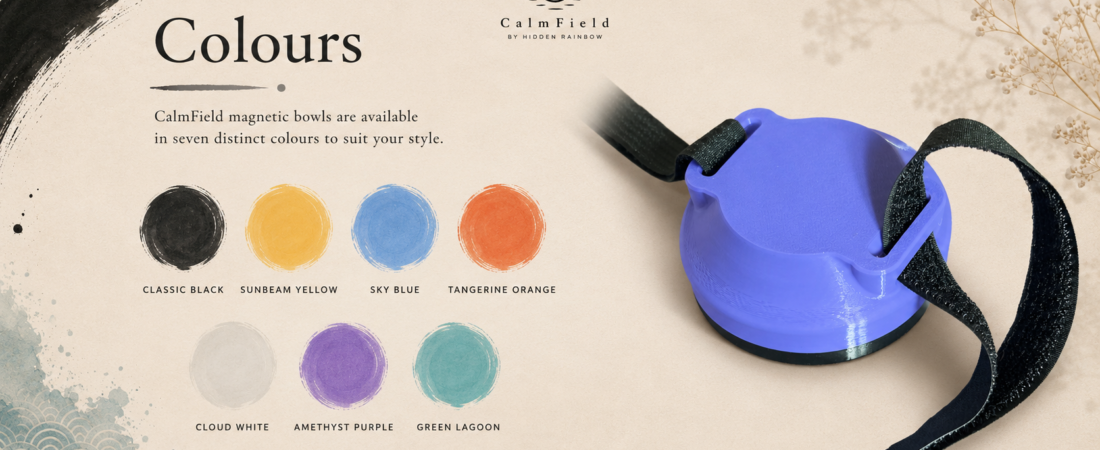
The Calmfield Magnetic Array, as shown in the image above, can be purchased here
This article is for informational purposes only and does not constitute medical advice. Always consult a qualified healthcare professional before starting any new wellness practice, especially if you have a medical condition or use implanted devices.